
Nonument Group
Soundtrack for an Invisible House

Pavilion of the Republic of Slovenia
61st International Art Exhibition
La Biennale di Venezia
Arsenale Exhibition Spaces, Venice May 9 – November 22, 2026
The landscape you enter resembles both construction and a ruin.
To walk among the scrapped materials from the previous architecture biennale is an invitation to reflect on our complicity in the devastation of the present world.
To sit on the foundations is an invitation to make an invisible house visible, in community.
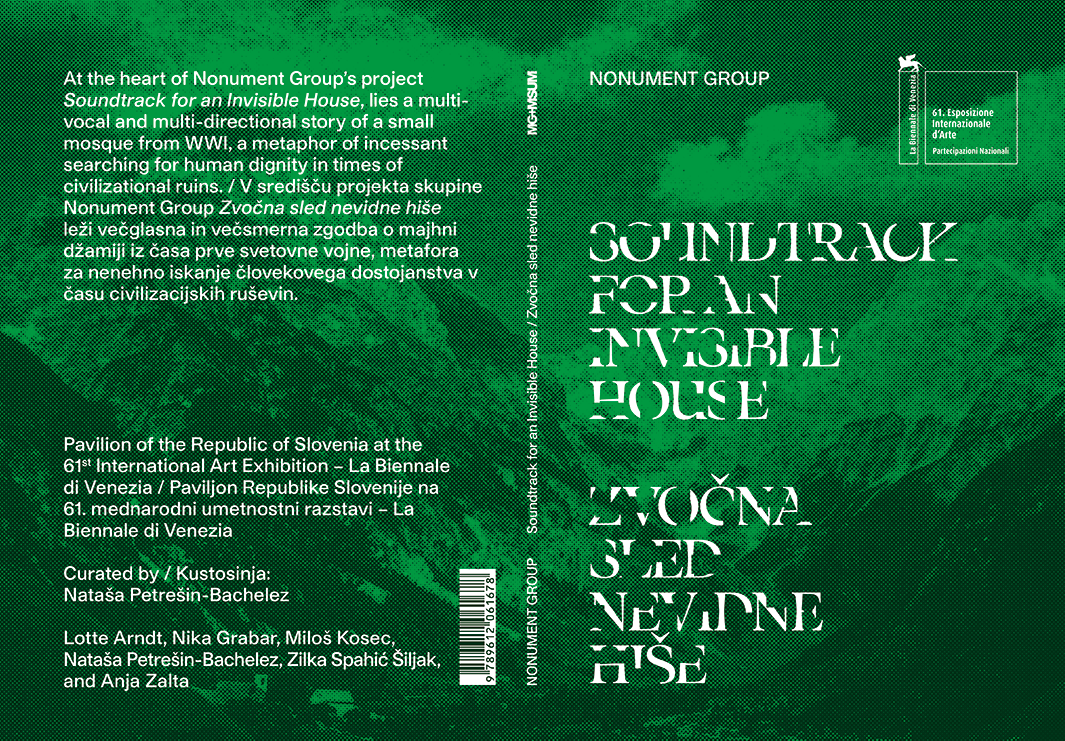
At the heart of Nonument Group’s project Soundtrack for an Invisible House, lies a multi-vocal and multi-directional story of a small mosque from WWI, a metaphor of incessant searching for human dignity in times of civilizational ruins.
Come
This is the day
When the meadow became something else
sparkling dust,
a cut up broken screen,
With beams of light,
Crystals.
Come,
To the landscape of dismissed landscapes,
Of temporarily enchanted objects,
Discarded bodies of ideas.
Every year it’s
Carefully built
By the chosen few.
Come,
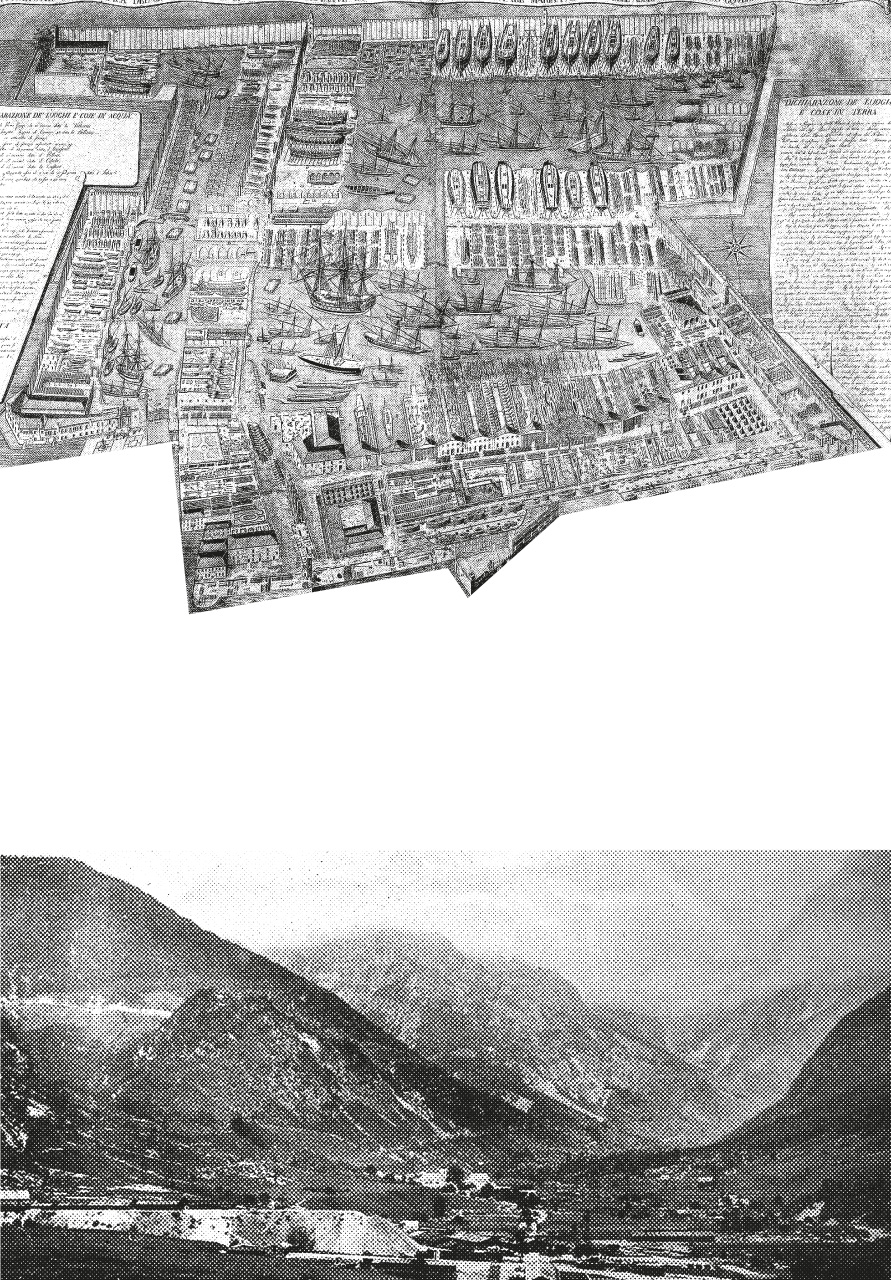
Battleships were built here
Hands
twisted strands into long ropes
Nails and cannons were forged
Crates filled with ammunition.
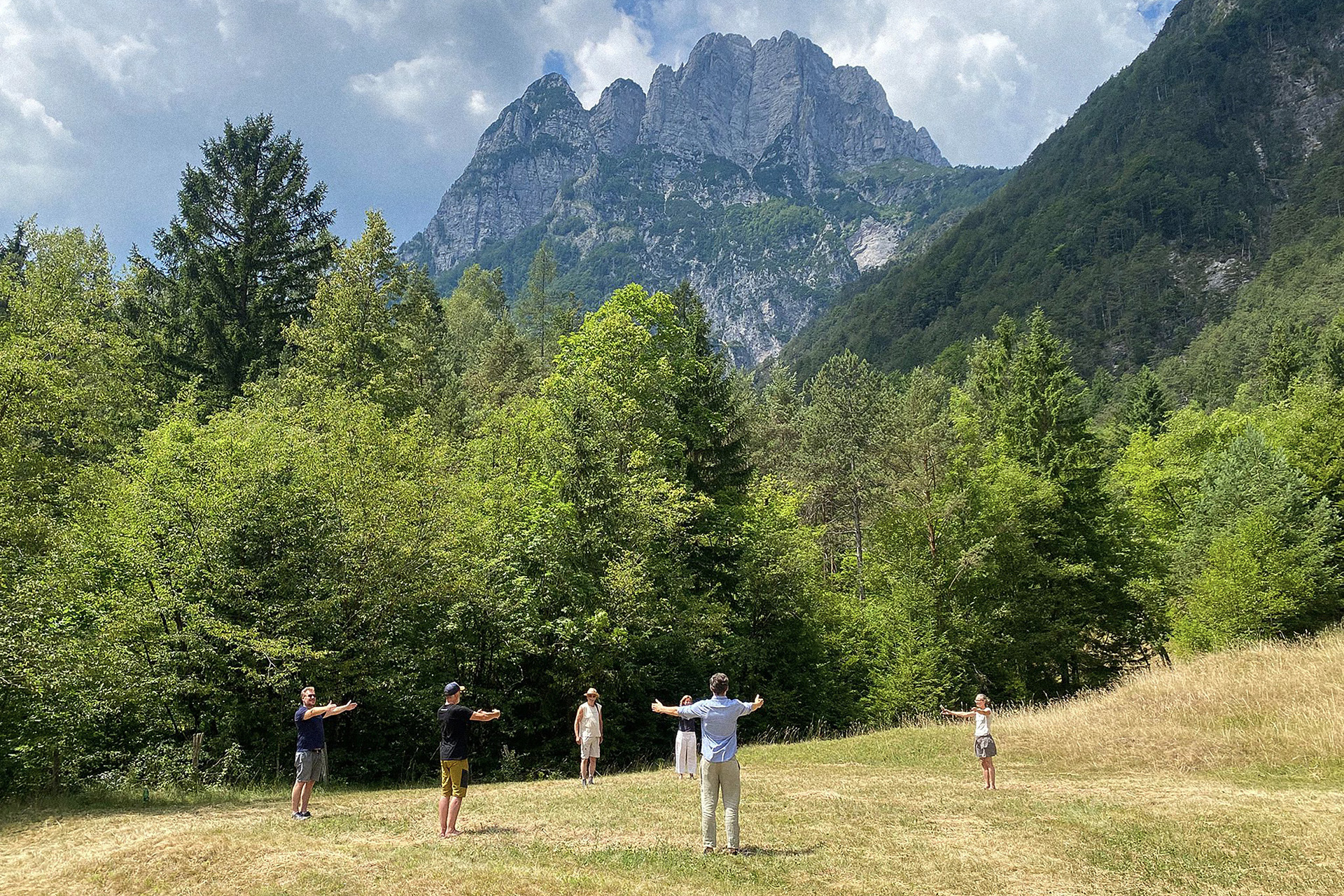
Stretch out your arms and see
How endless and overwhelming war is
Even though
It seems
It’s never everywhere,
Never reaches every house.
Come,
Someone once came here,
Stuck his pitchfork into the freshly mowed
meadow.
Mmmm –
It was summer.
The grass was soft at first,
Then the fork hit a stone.
You can hear it here –
Waterfalls
And
The Word
Or see
That a ruin can also be
Hope.
But here, in this meadow
You have a thought.
This does not sound right –
Only to me?
Just like the war is never everywhere –
For me.
Come
You know,
You were taught wrong:
There are no times,
Only places of peace,
They erect monuments there,
by the road.
Every nation does
Always for their own.
Come,
How easy it is to demolish houses
With brute force,
And how difficult to tear them down,
There are so many, and they resist,
It takes a night
Or years and years.
Many come here,
To this landscape,
They are interested in objects
Celebrating technology,
Strategy,
Territories.
Meter by meter
Ton by ton, they are loaded onto ships,
Fifty million of them demolished,
For a new coast,
Bill by bill.
Come
Once there were meadows all around,
Everywhere,
And at once they were gone –
Also for you.
Demolished houses instead of grass –
Also for you.
In this landscape
It is still the same.
But someone said in this meadow,
or in the court
this is an exchange:
You give us your life
for the homeland,
we give you doors to eternity
and buried stone.
Come
Here is everywhere
You will see,
Birds sing here
Songs of sheep and
Sheep of grass.
All that seems invisible
Is only buried,
Becomes a song.
Come
This is dust
This is a day
This is a meadow
Come
This is light
This is a crystal
This is a screen
Come
Here you can hear
Here you can see
Here you can think
Come
Hands are here
Waterfalls are here
Here is everywhere
Come
To the landscape of
Landscapes
Dismissed bodies
Dismissed ideas
Do you hear
Hear you can hear
Waterfalls and the
Word
Do you see
Here you can see
A ruin of hope
Do you think
Here you can think
There are no times
Do you hear
There are only
Places of peace
Do you see
By the road
Monuments are
Erected
Do you think
They stand here
Disappearing
Do you hear
Only for me
Only for
Themselves
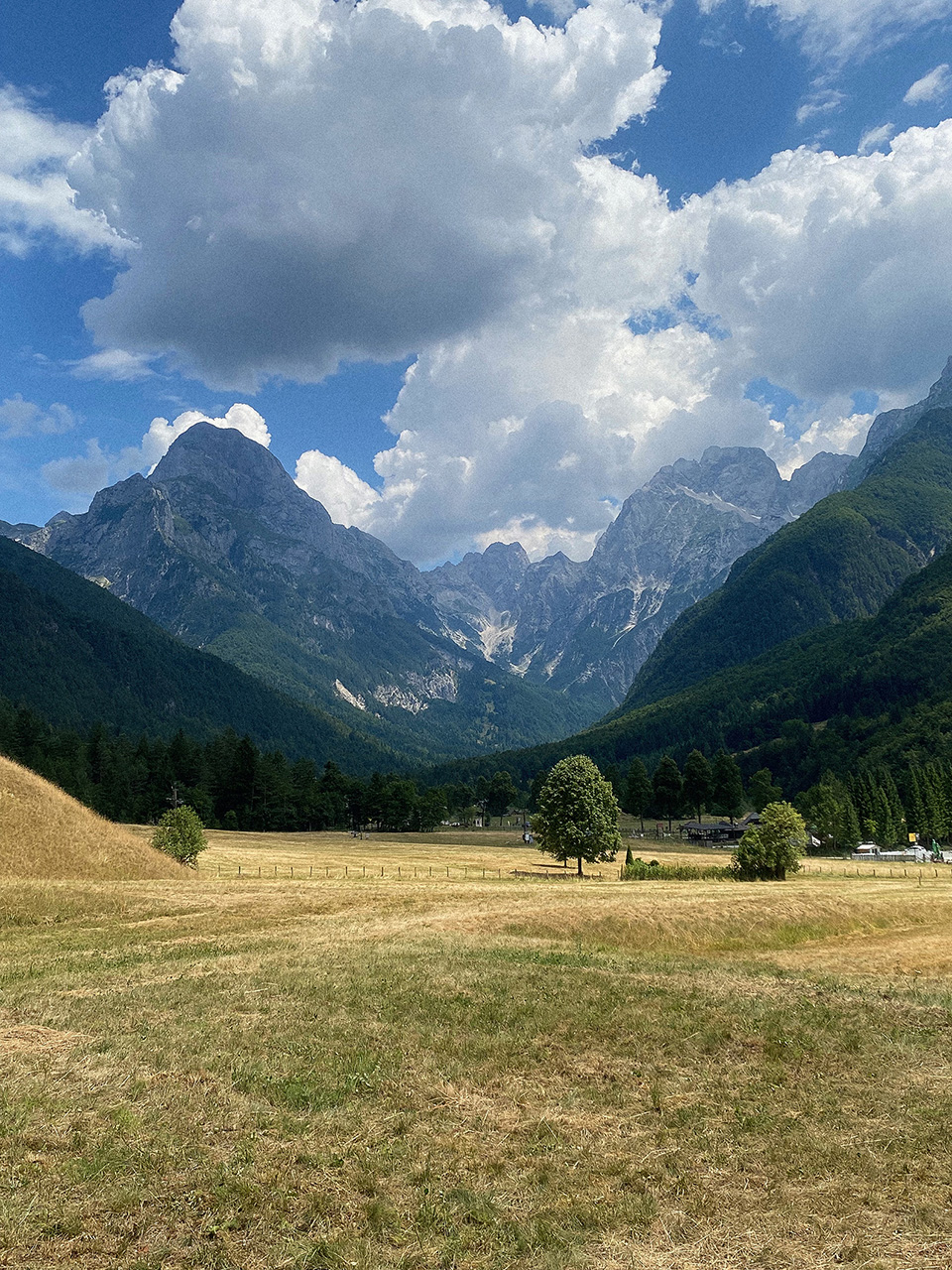
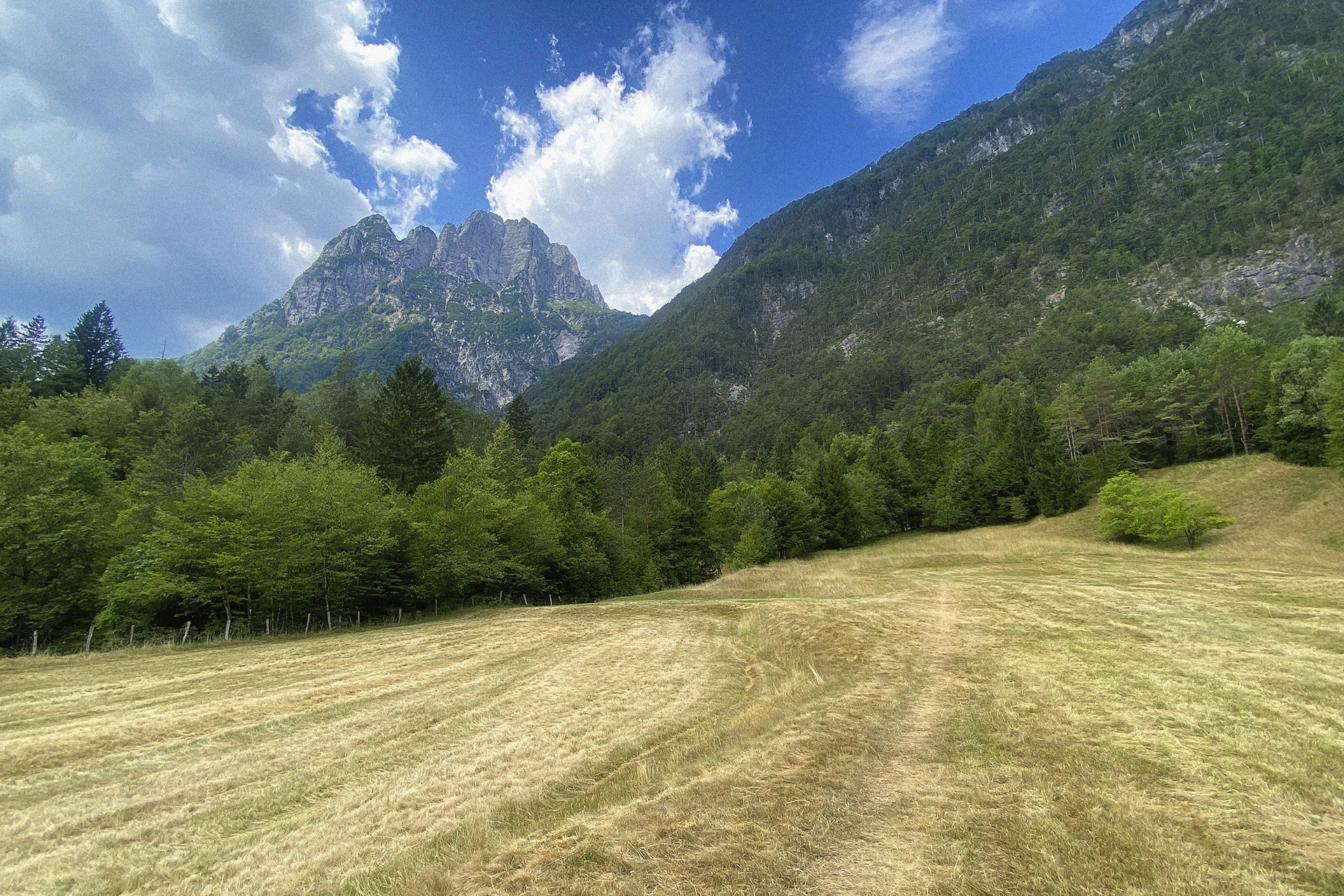
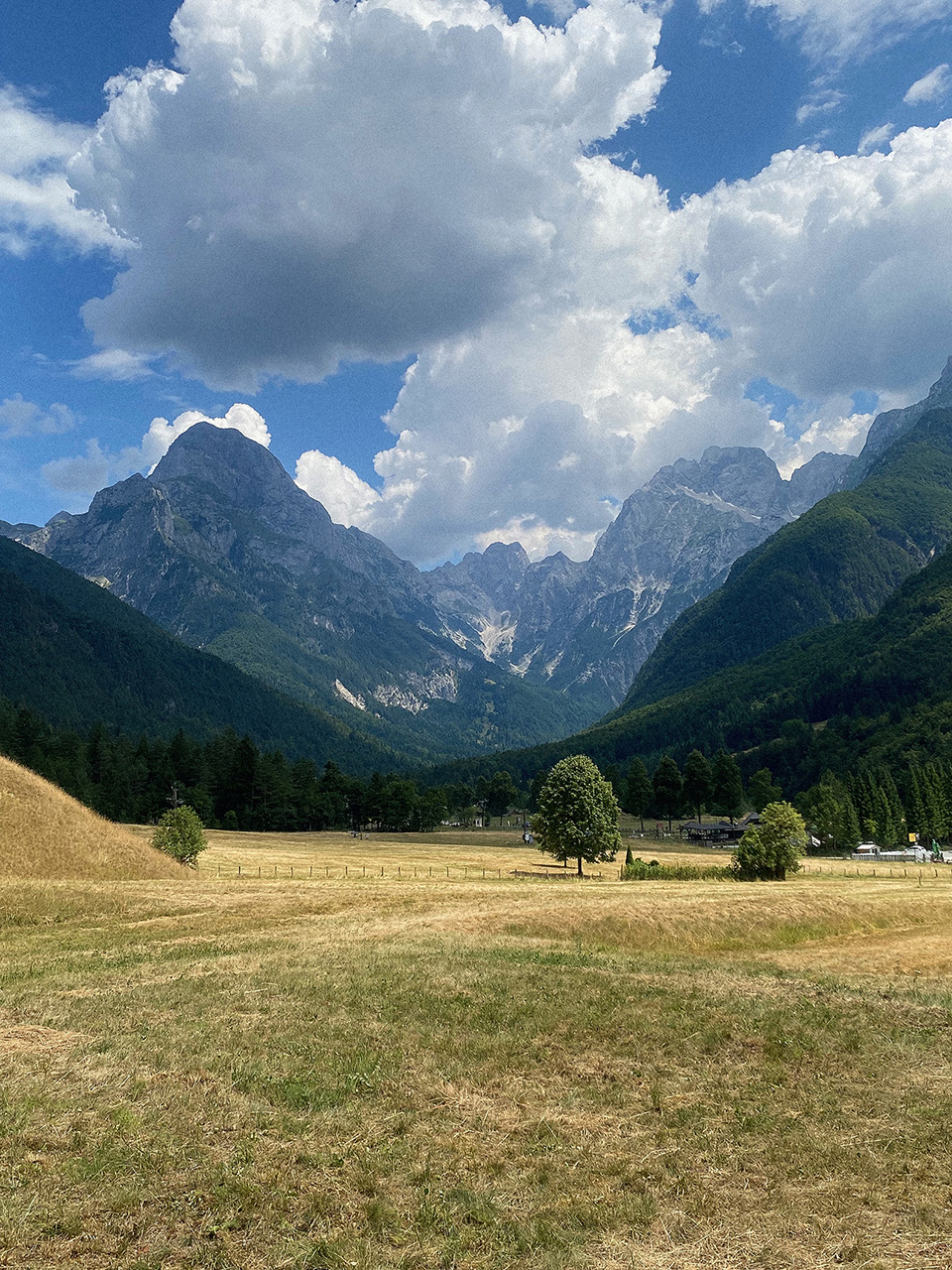
Nestled beneath the Alps near Slovenia’s northwestern border lies a small village of around 130 residents.
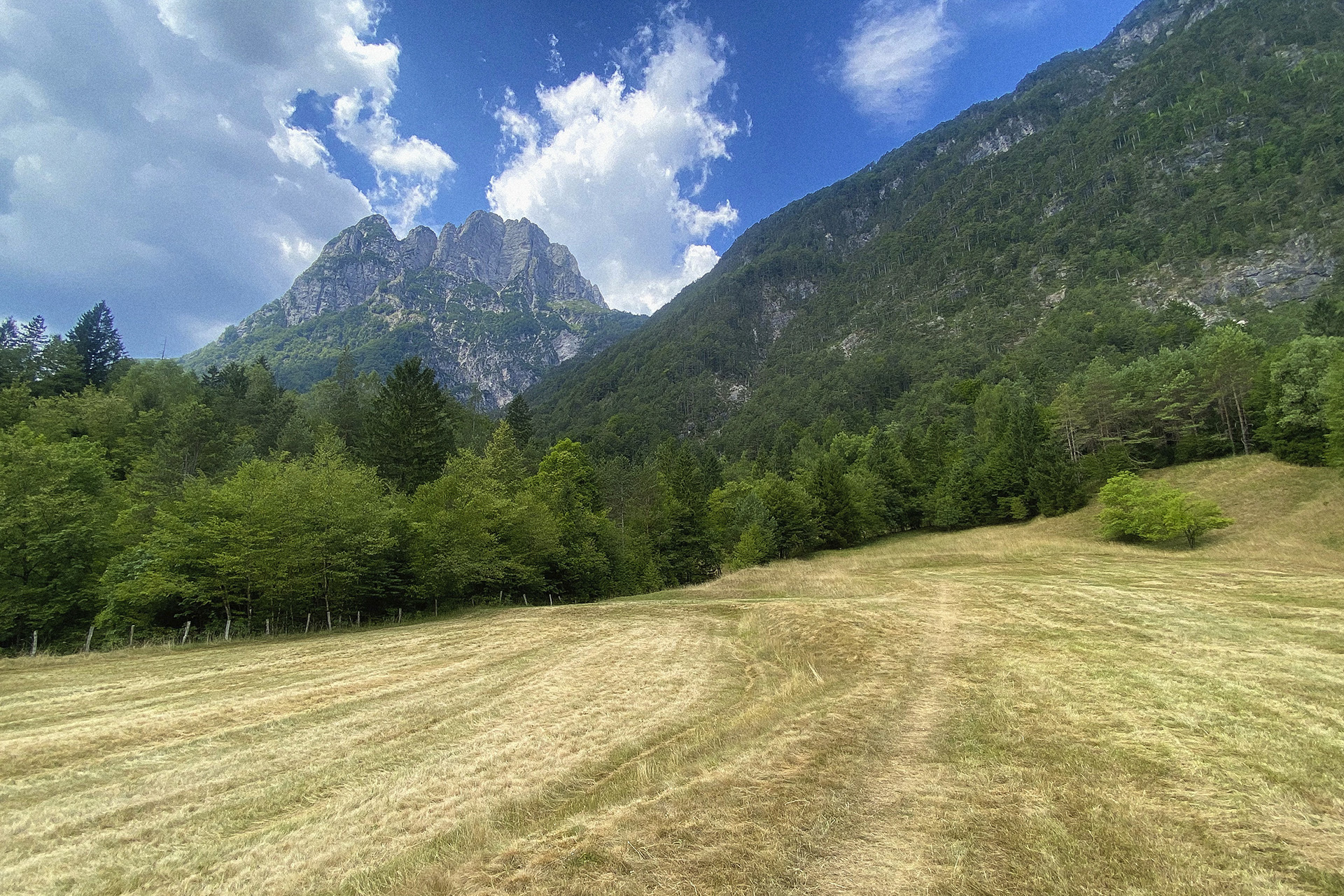
A large, quiet meadow stretches out behind one of the houses, framed by majestic mountain peaks rising over 2,000 meters, along which fierce battles were fought during World War I between Austro-Hungarian and Italian forces.
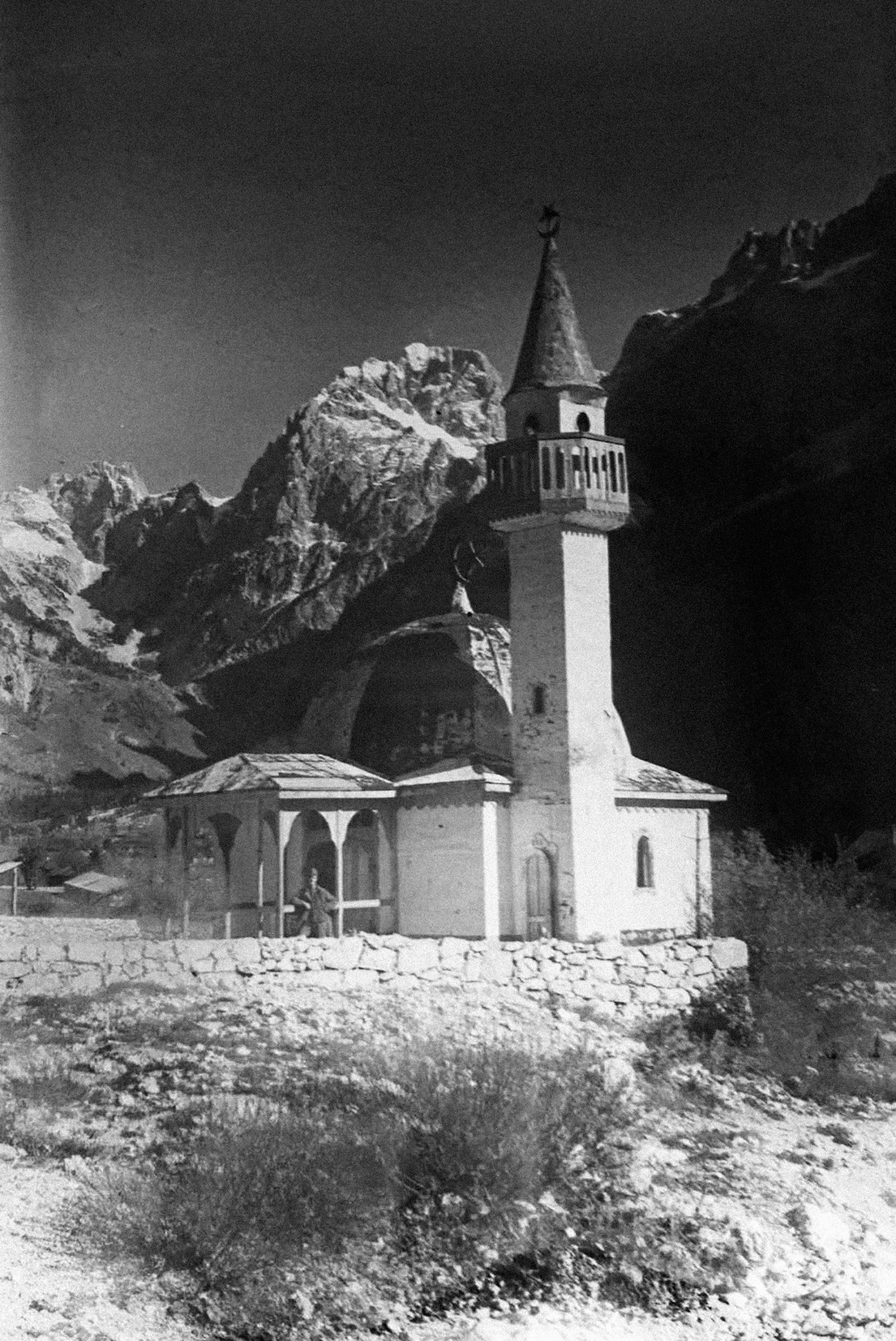
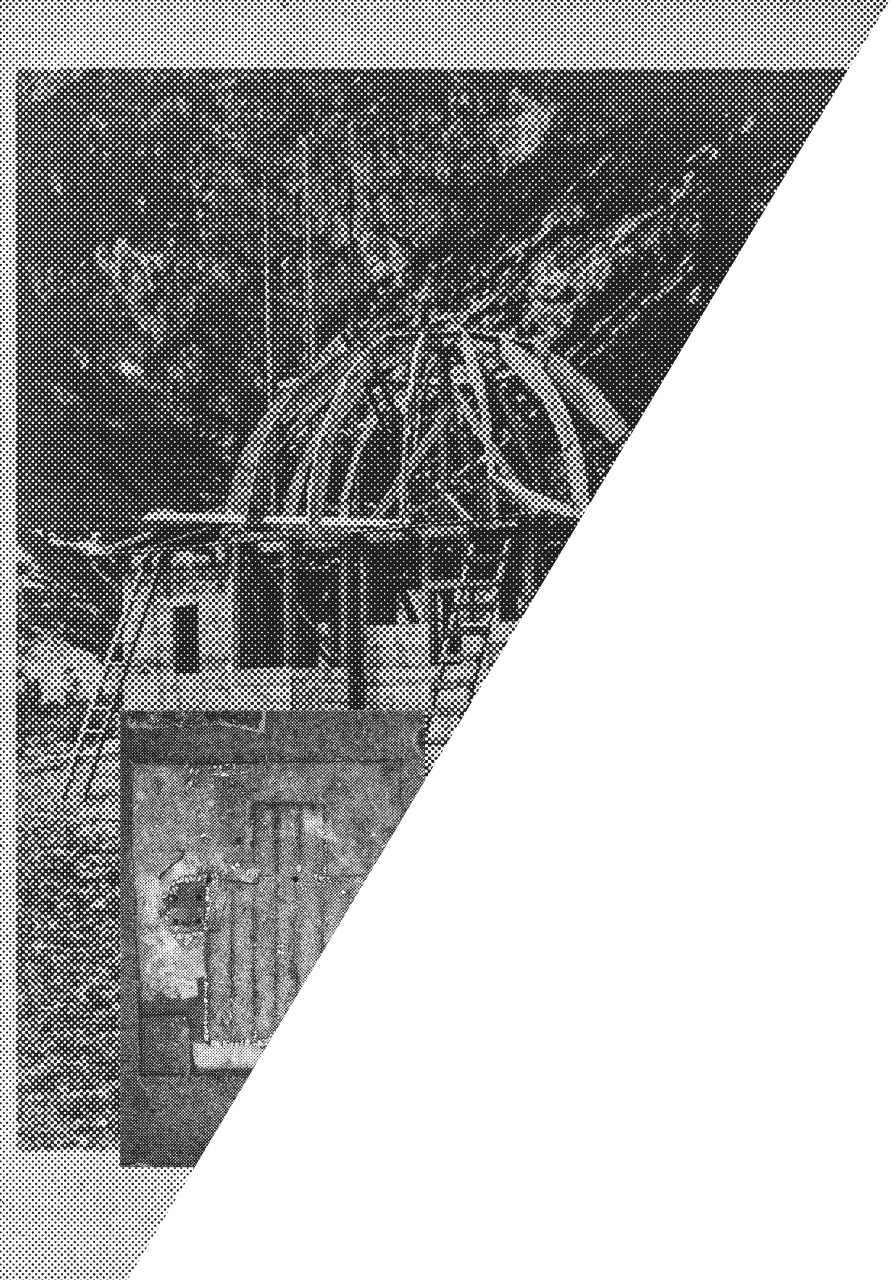
For a few months in 1917, a white-painted wooden mosque stood among hundreds of military barracks.
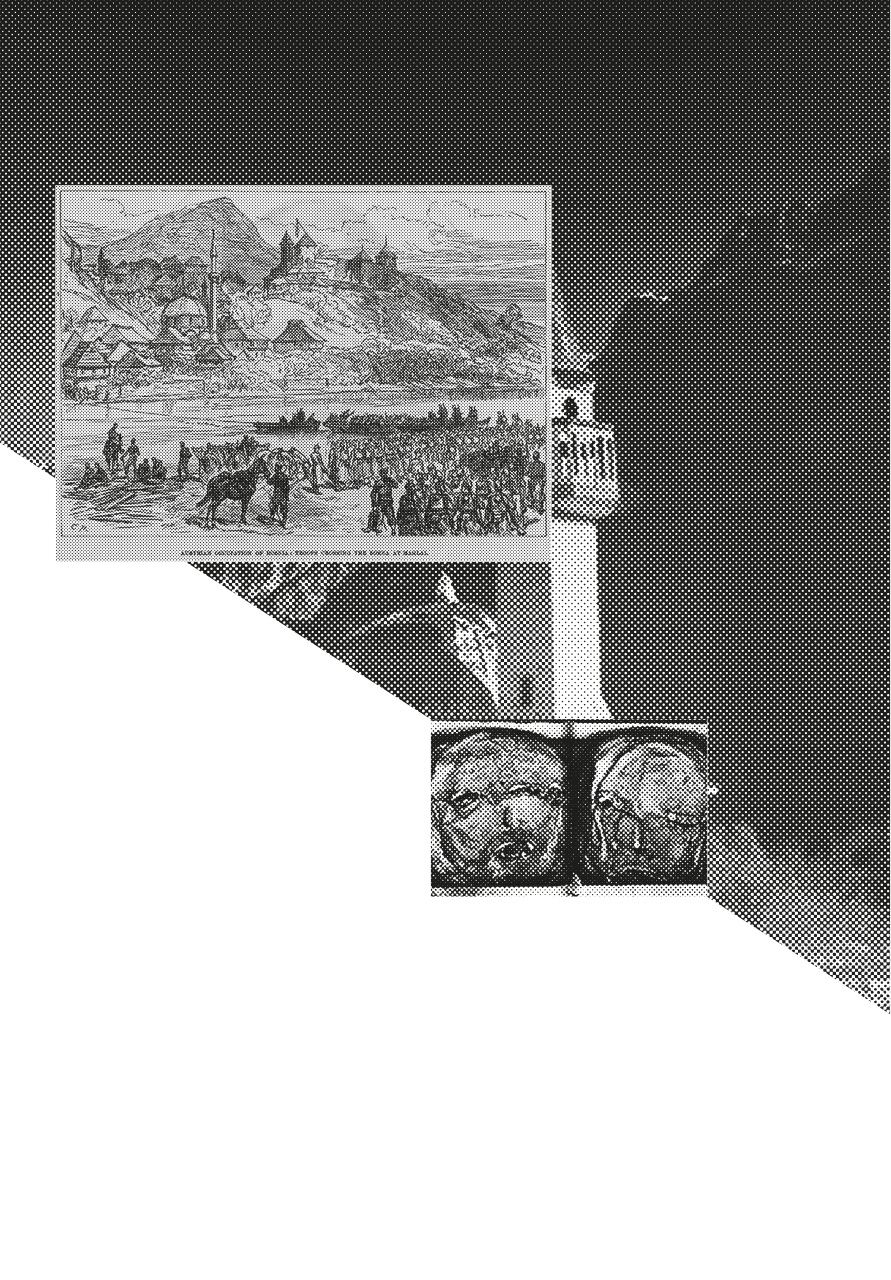
The Austro-Hungarian Empire erected this mosque as part of its military infrastructure to strengthen the loyalty and integration of the Bosnian regiment into the otherwise predominantly Catholic army, similar to other military and colonial authorities throughout history which systematically instrumentalized religion.
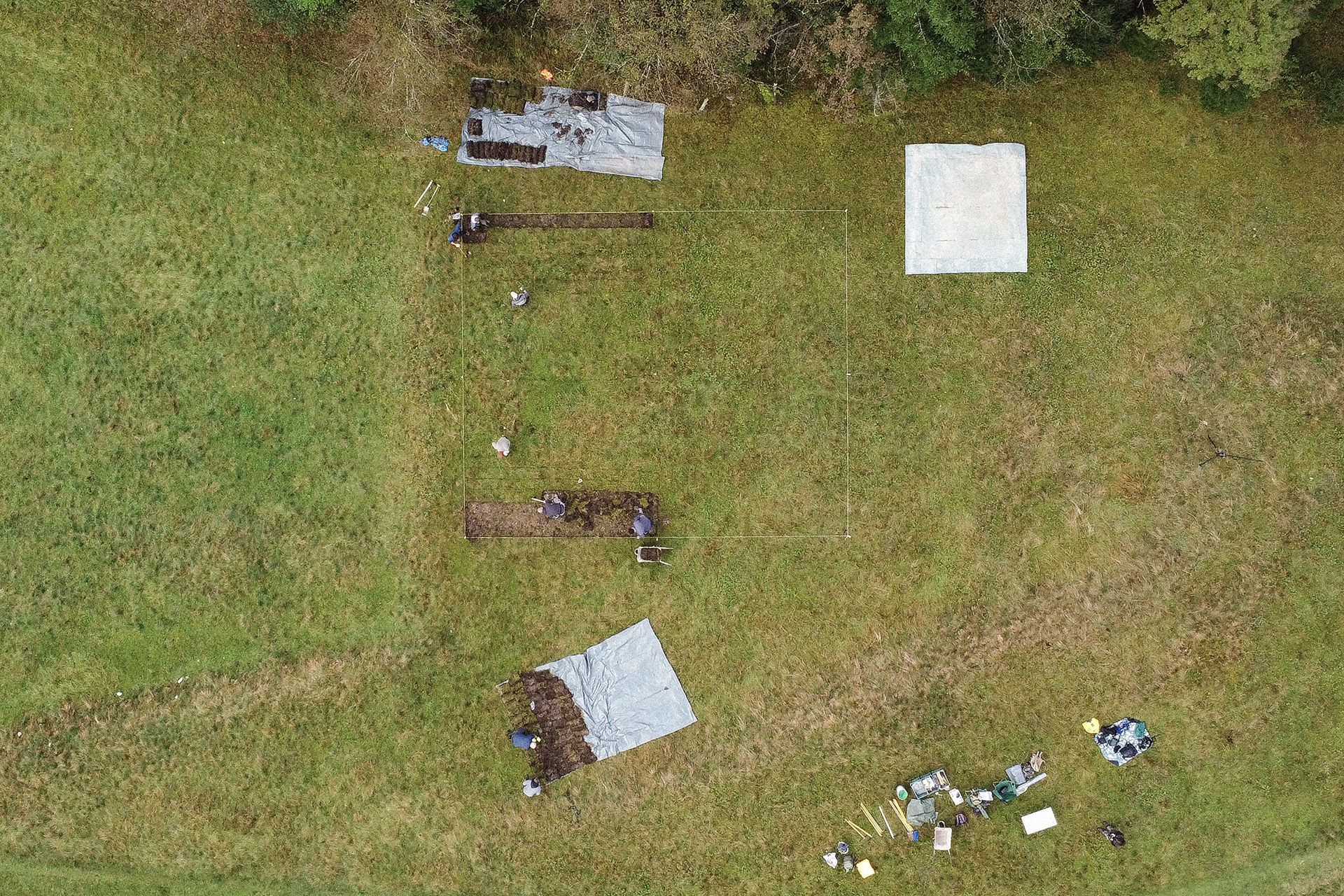
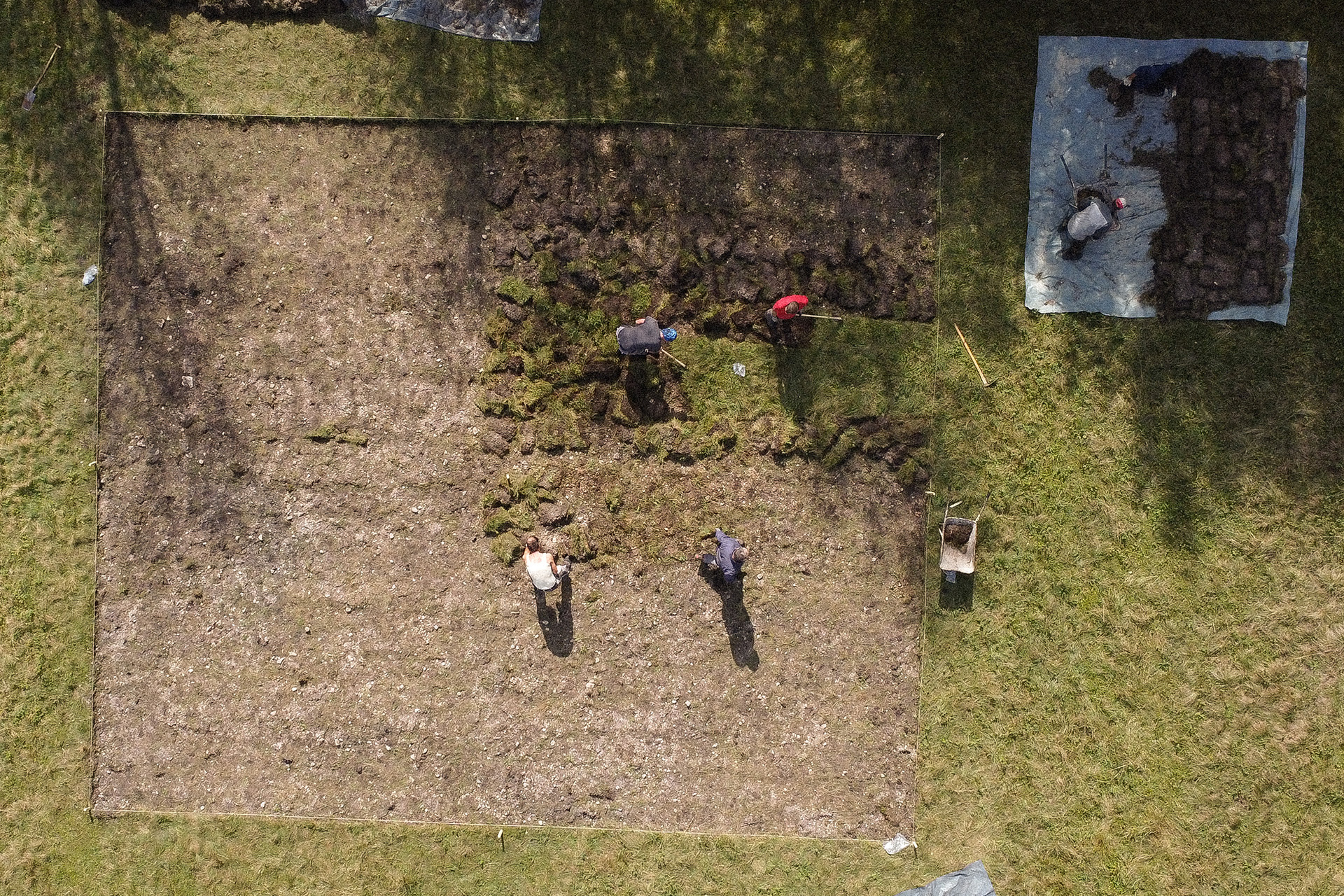
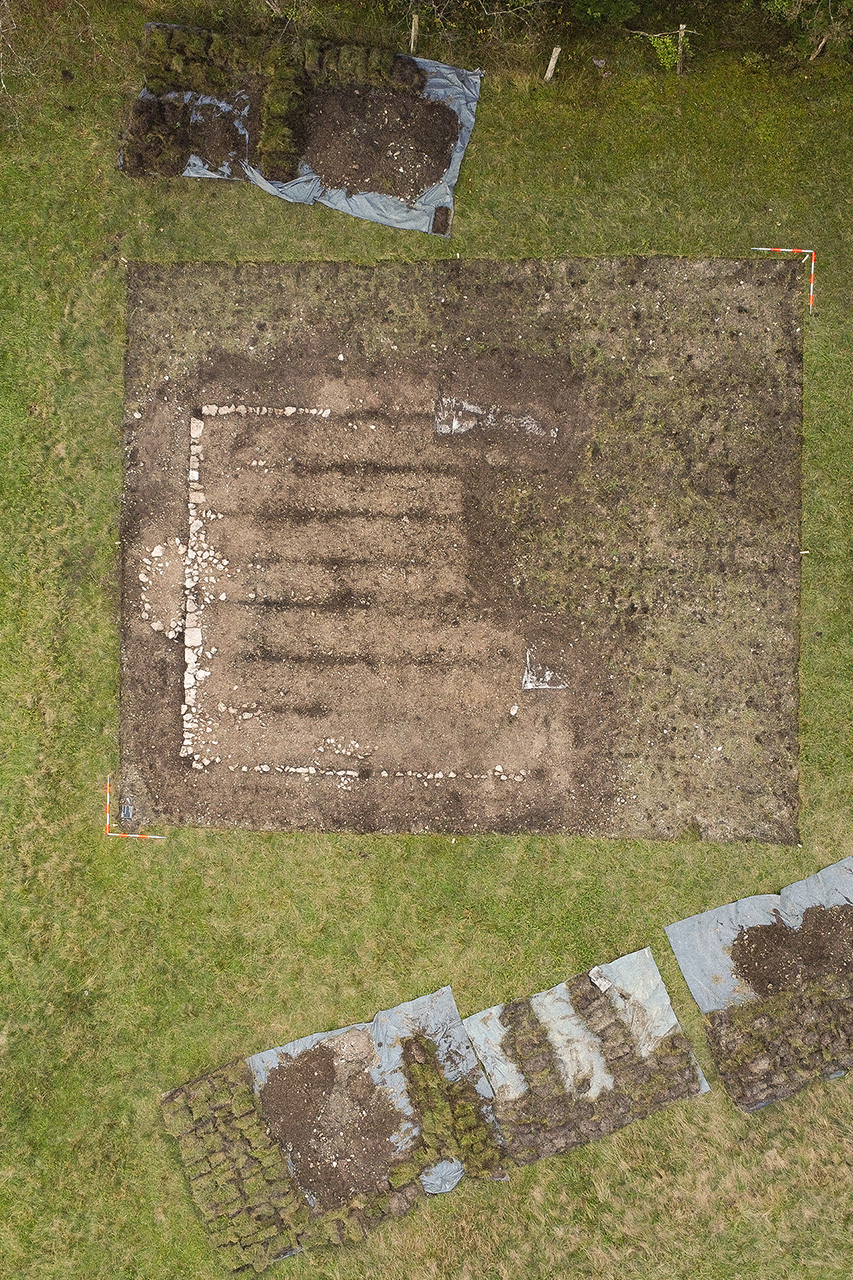
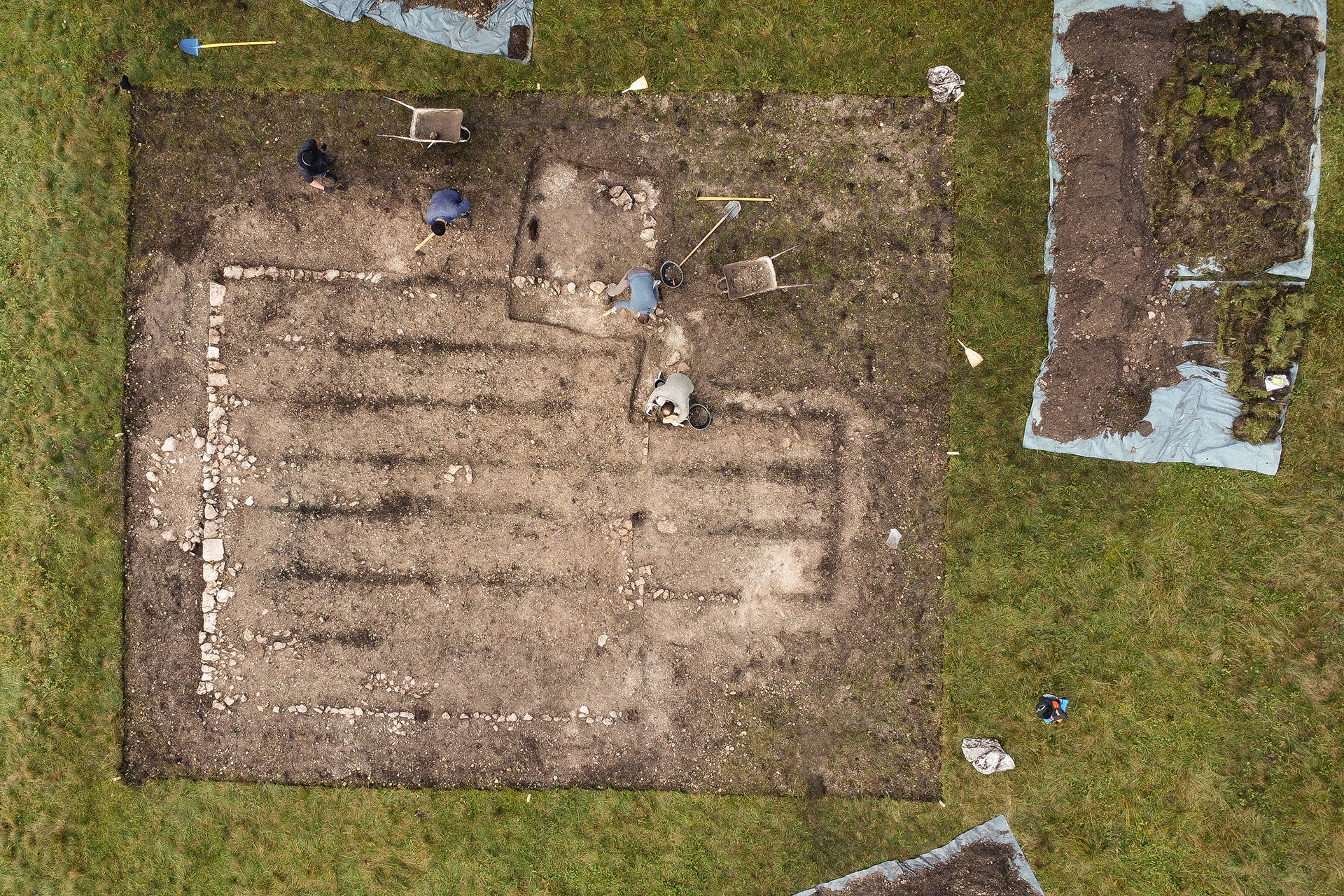
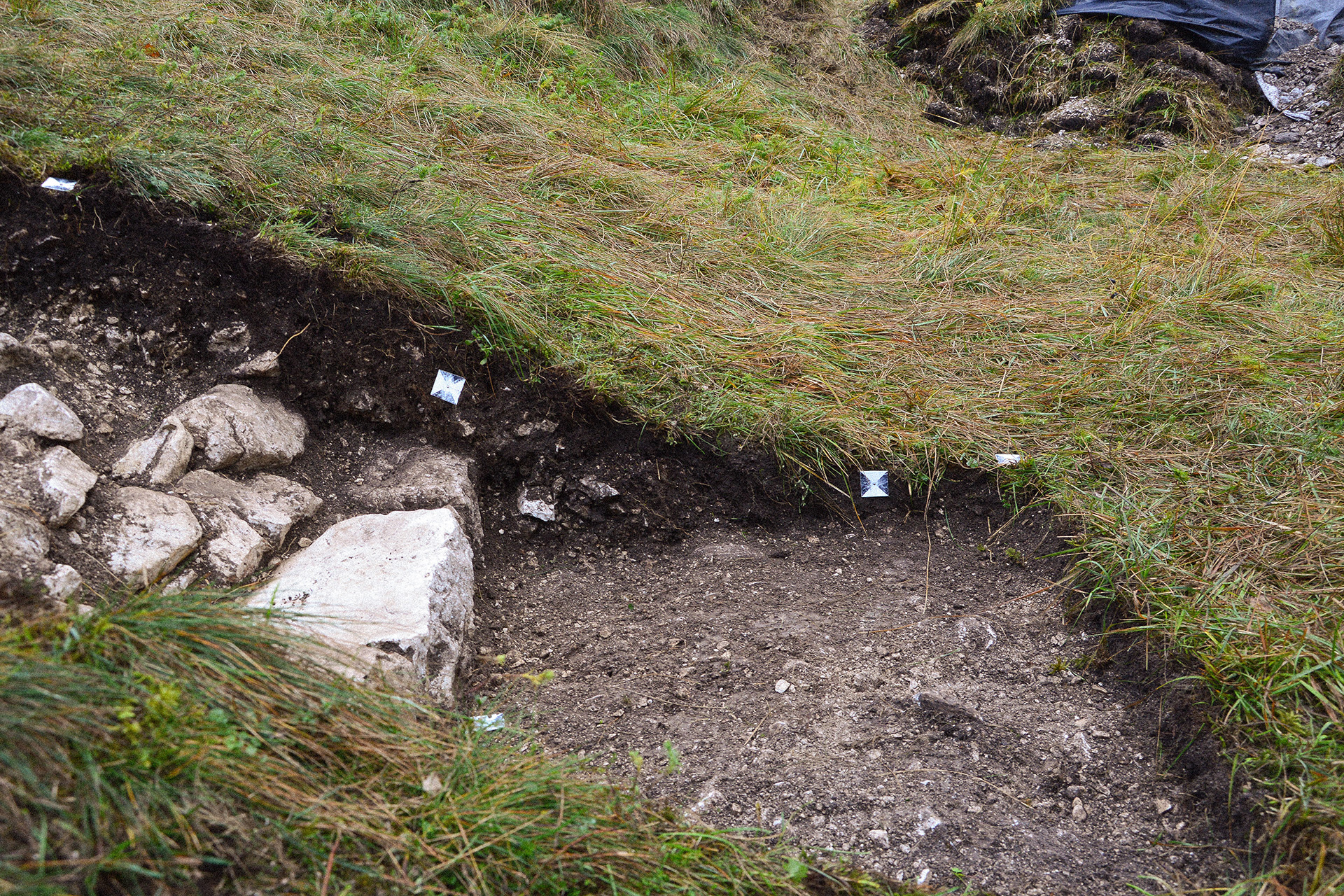
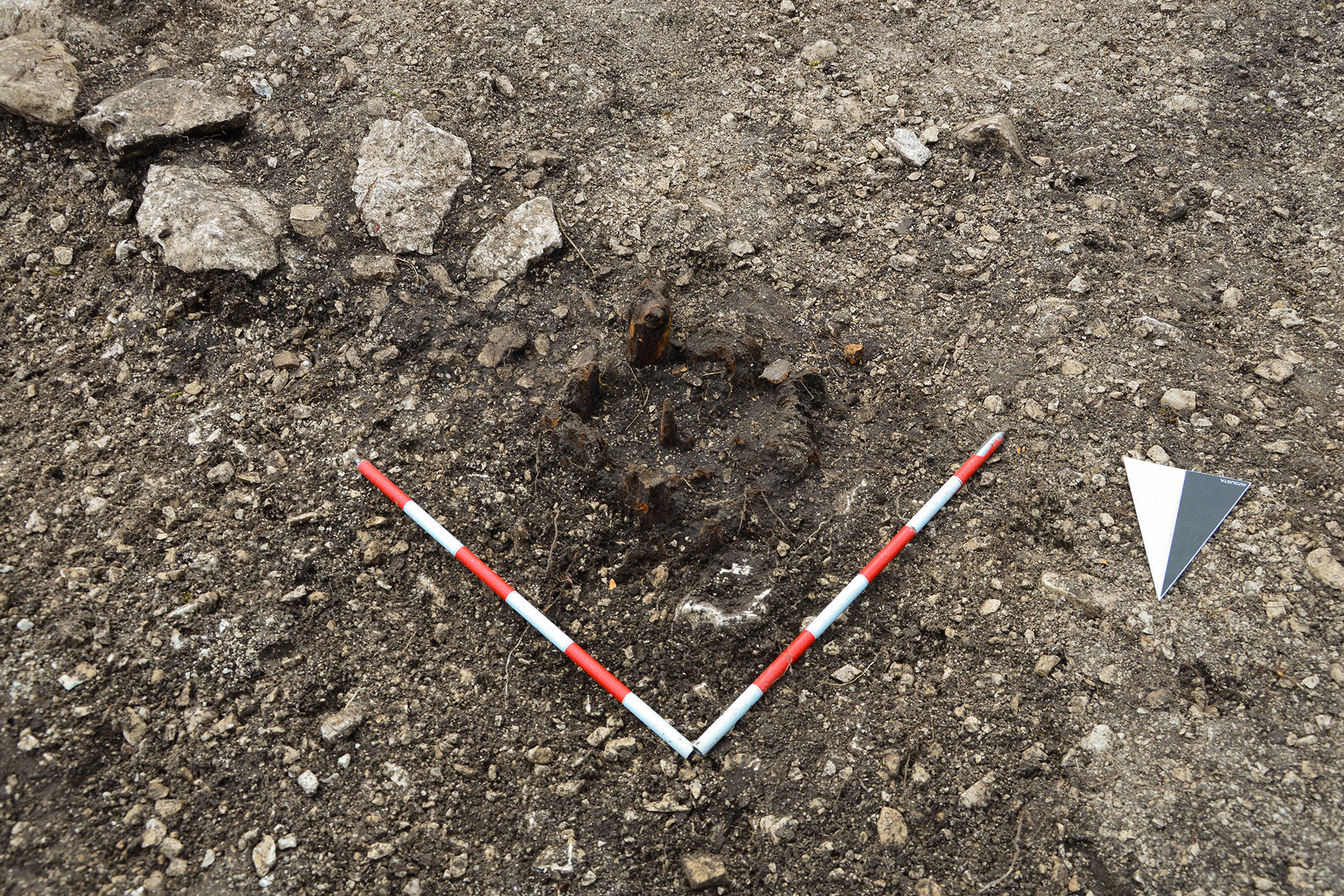
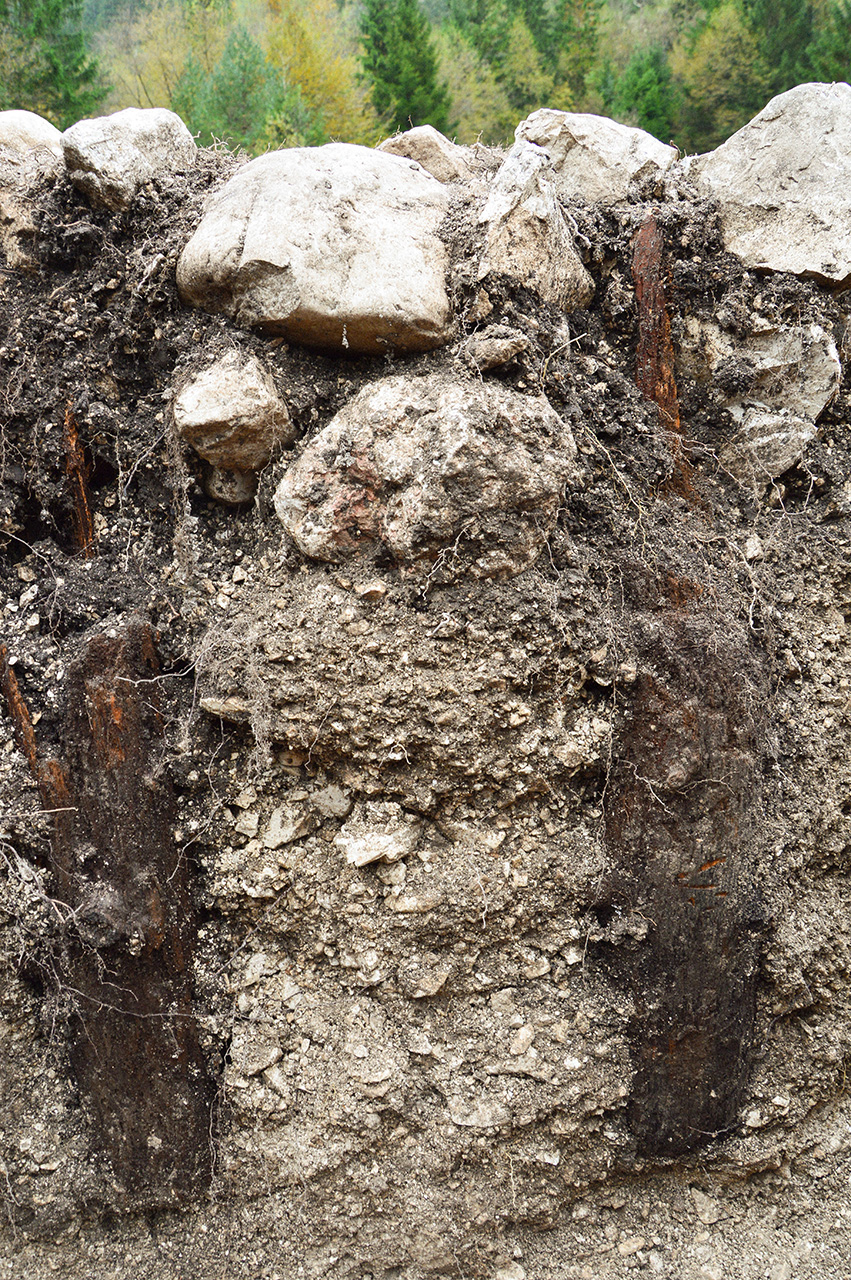
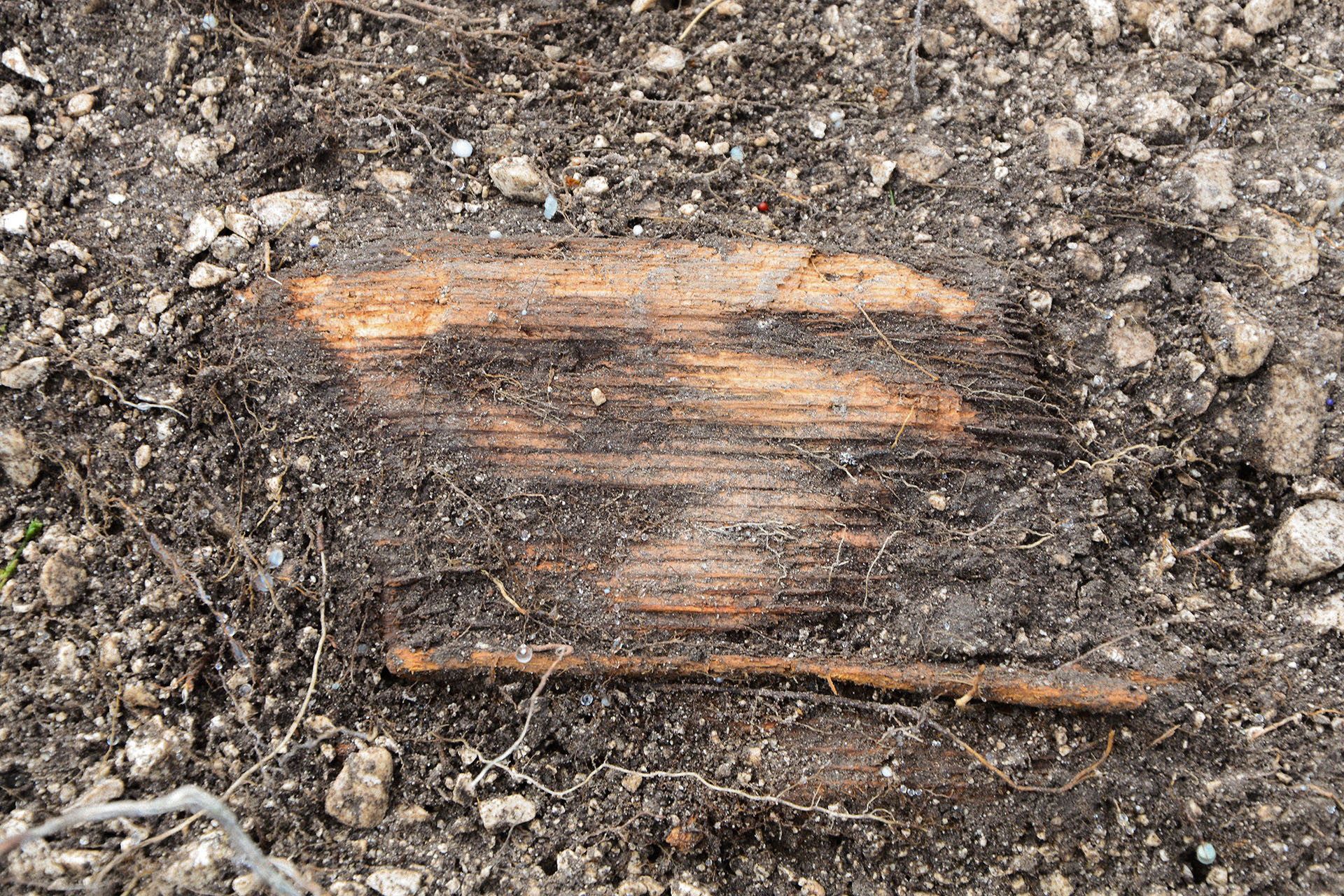
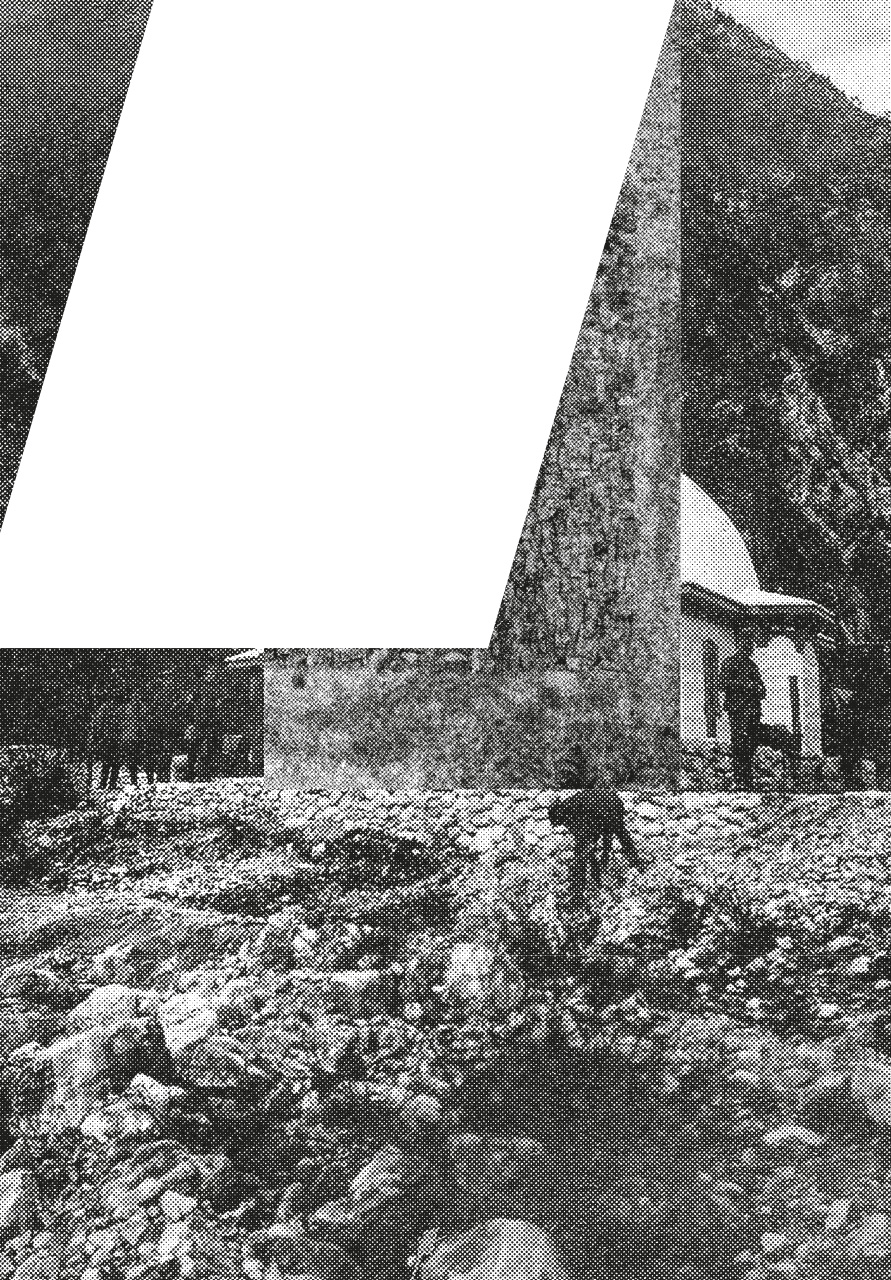
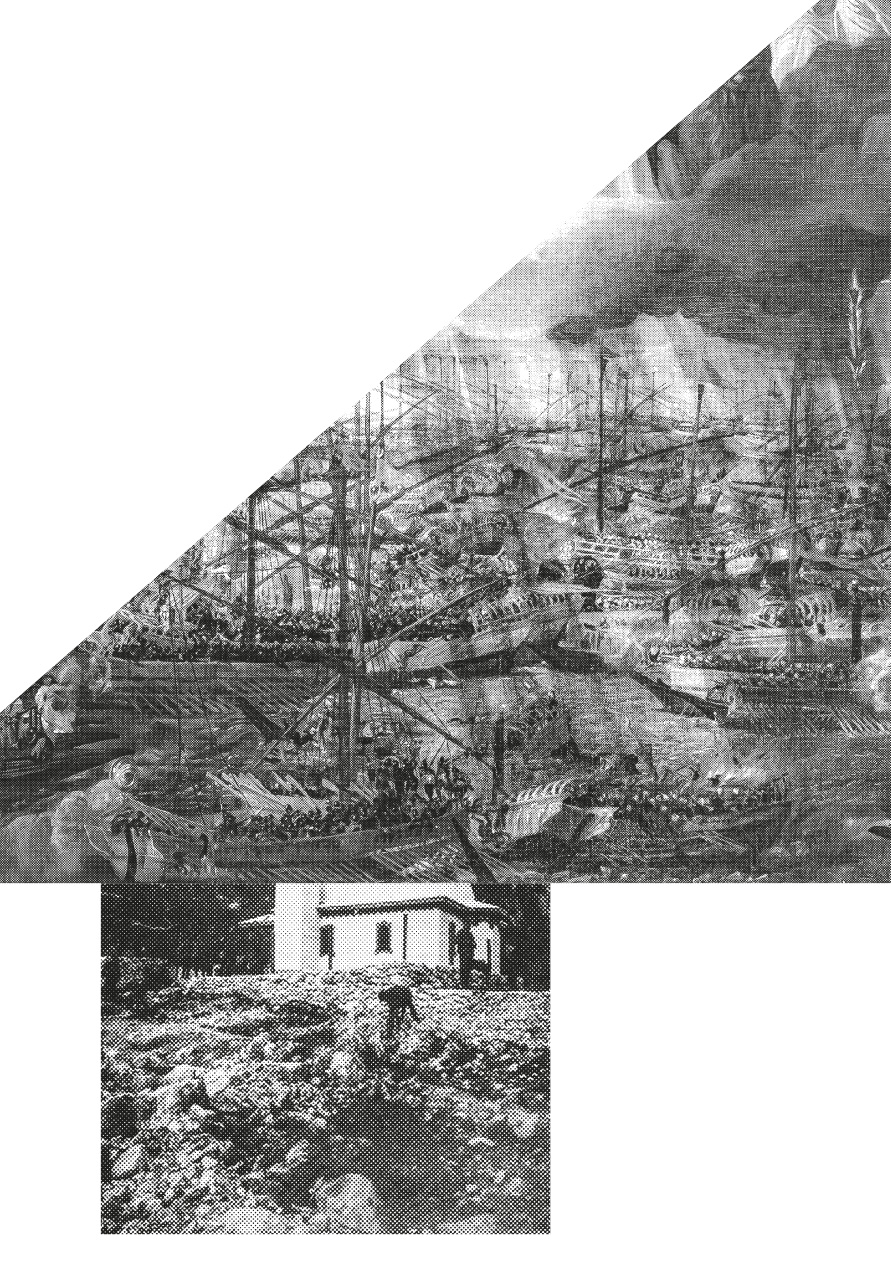
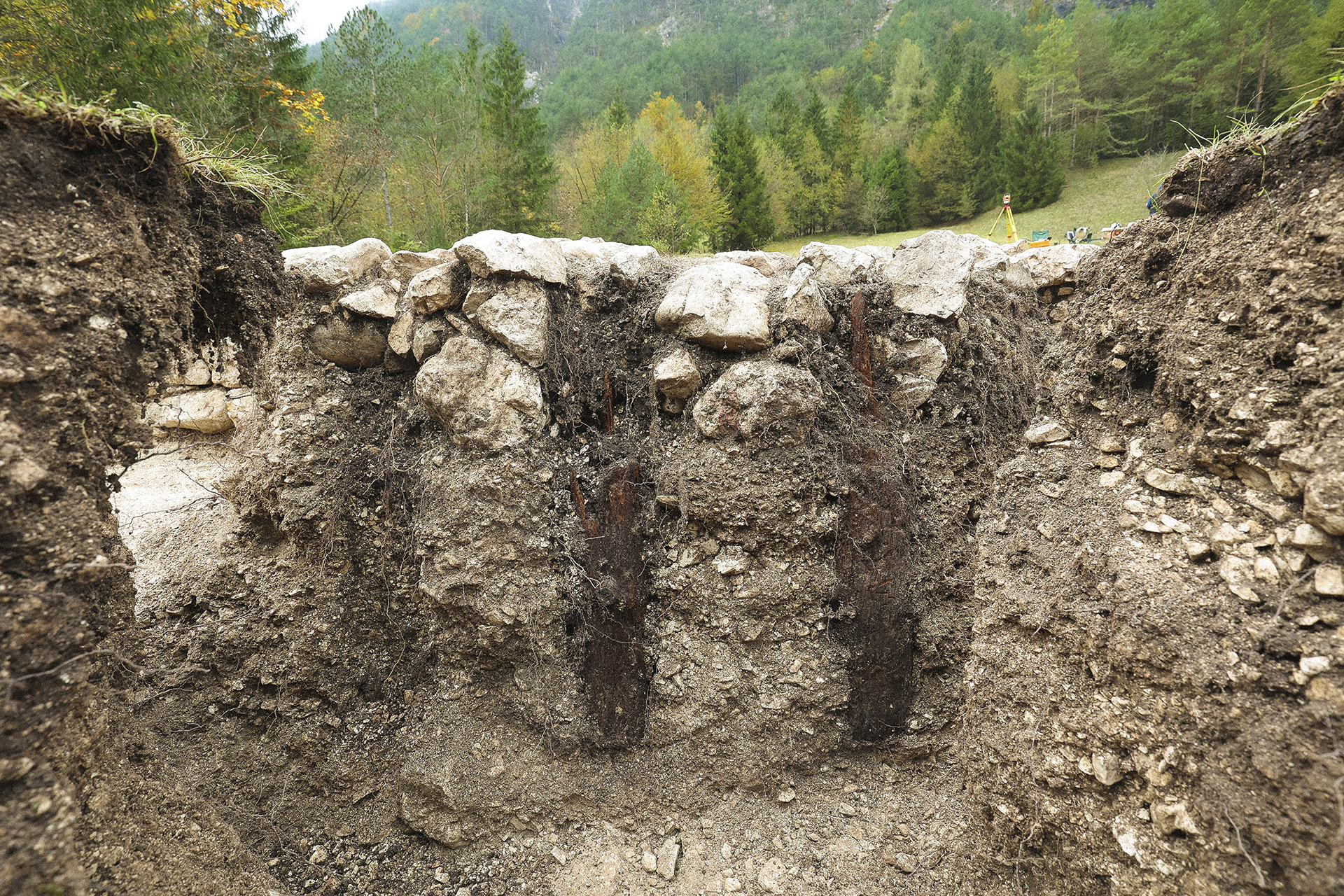
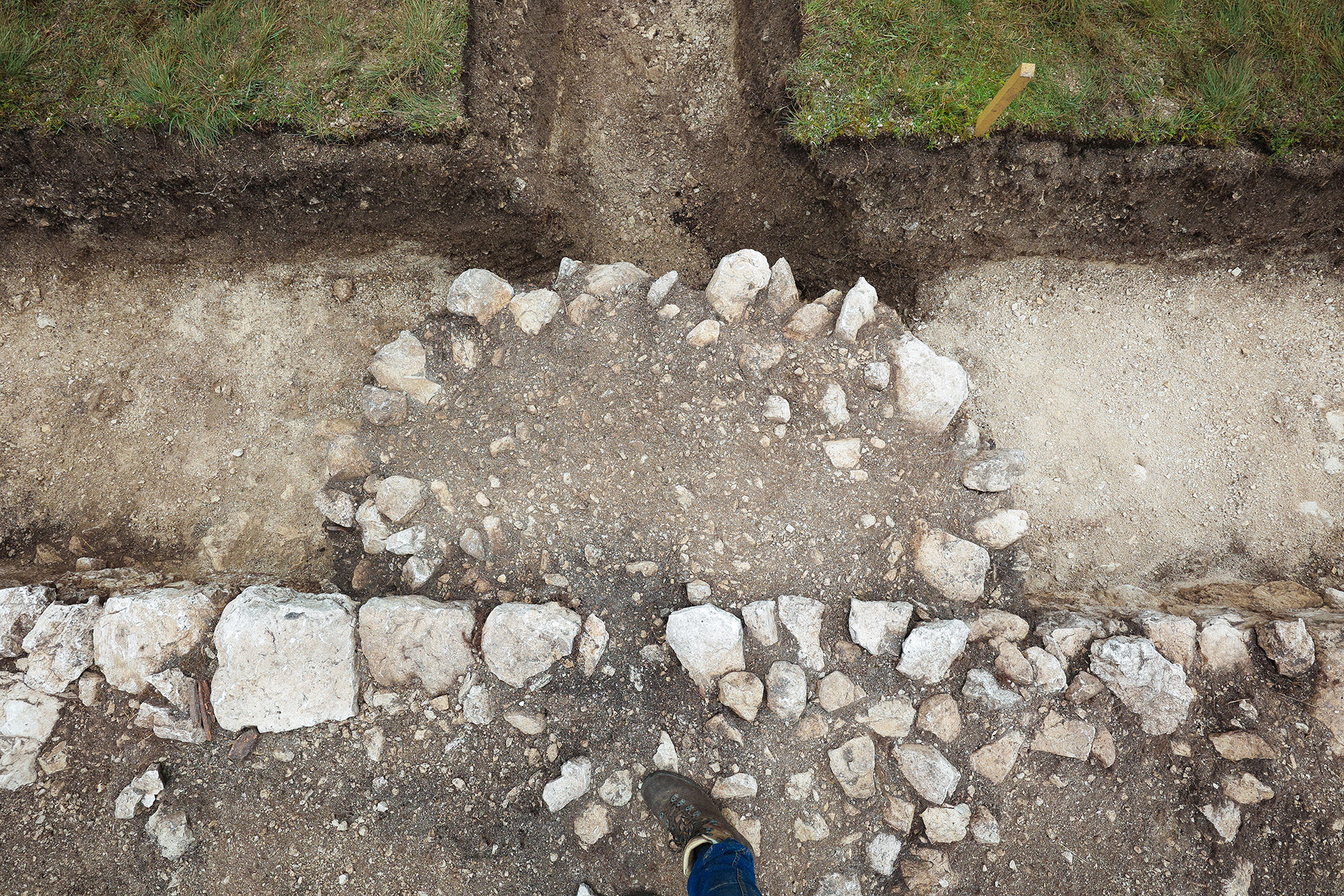
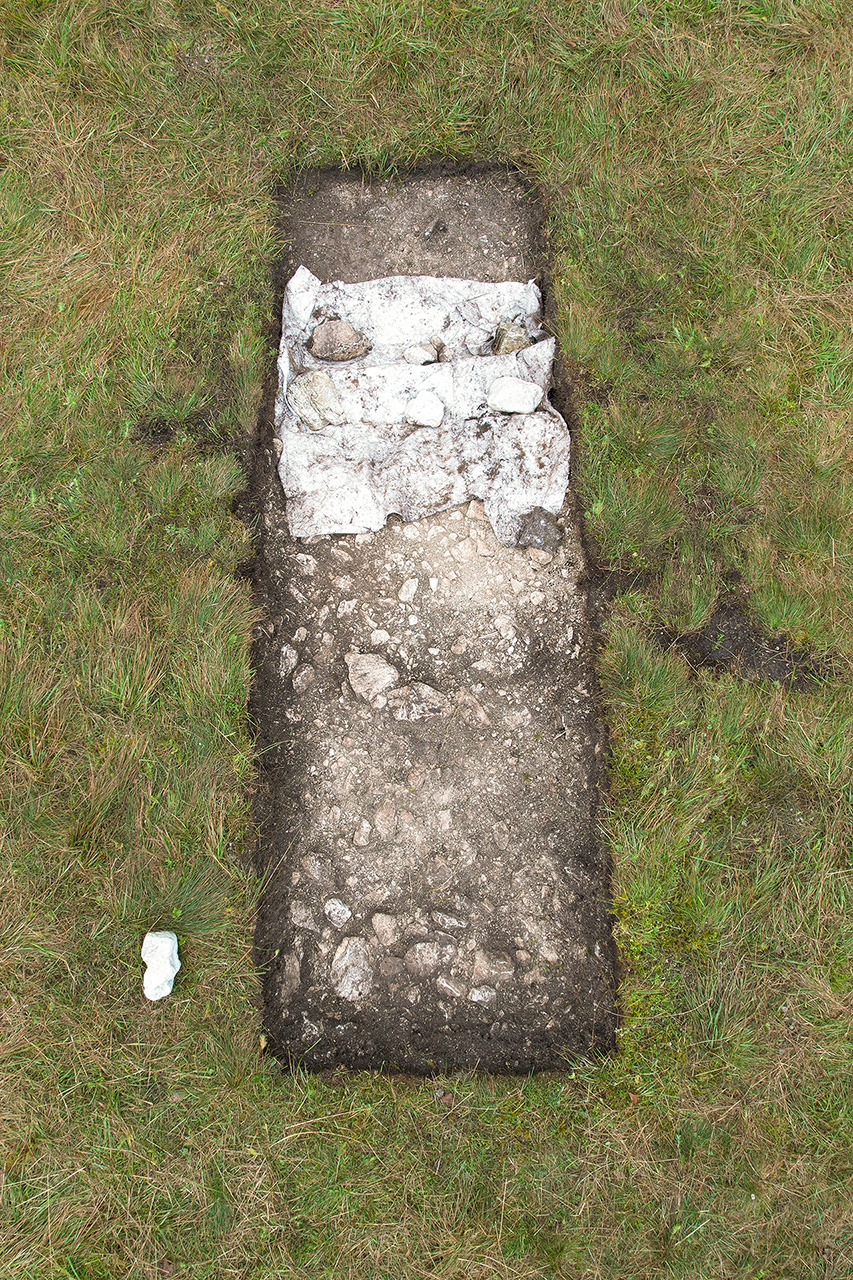
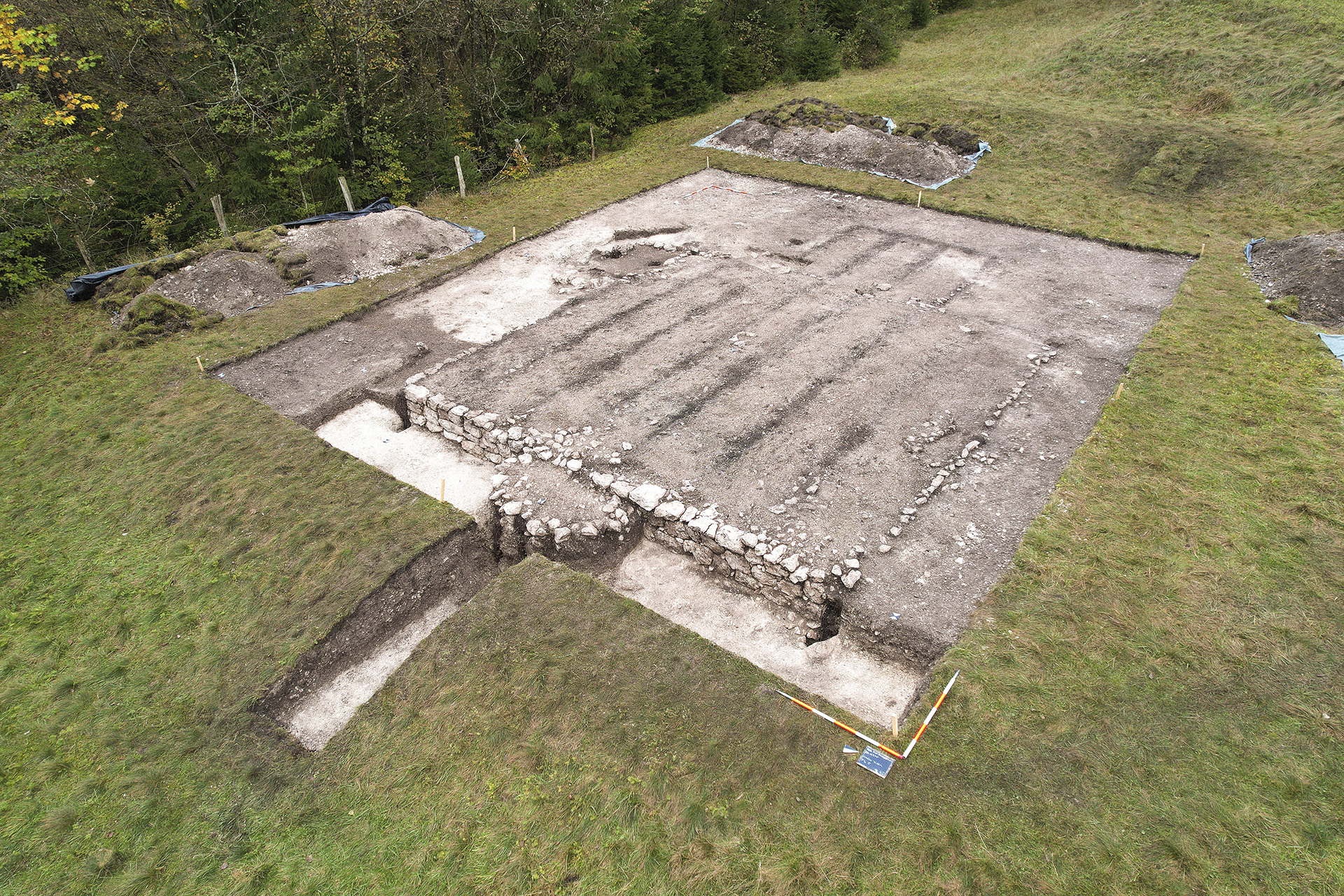
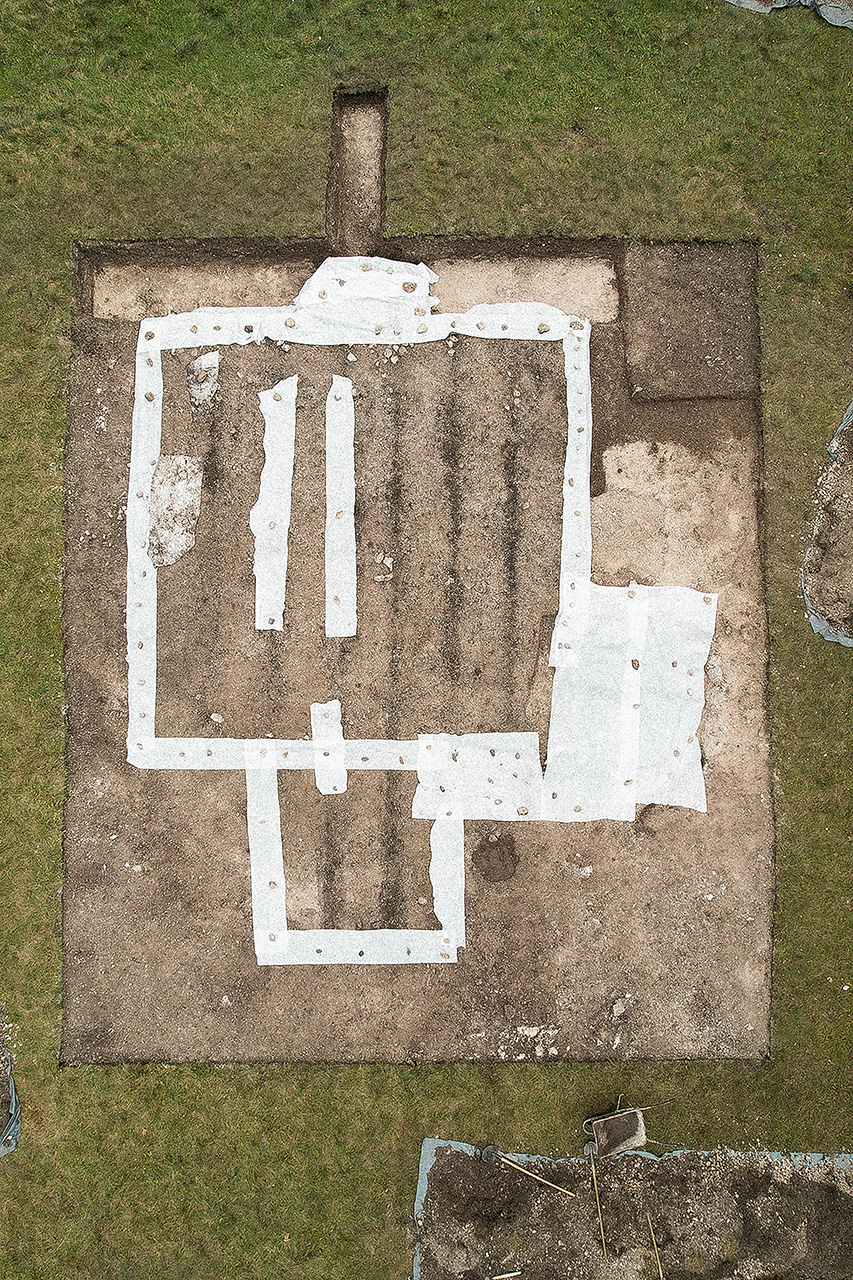
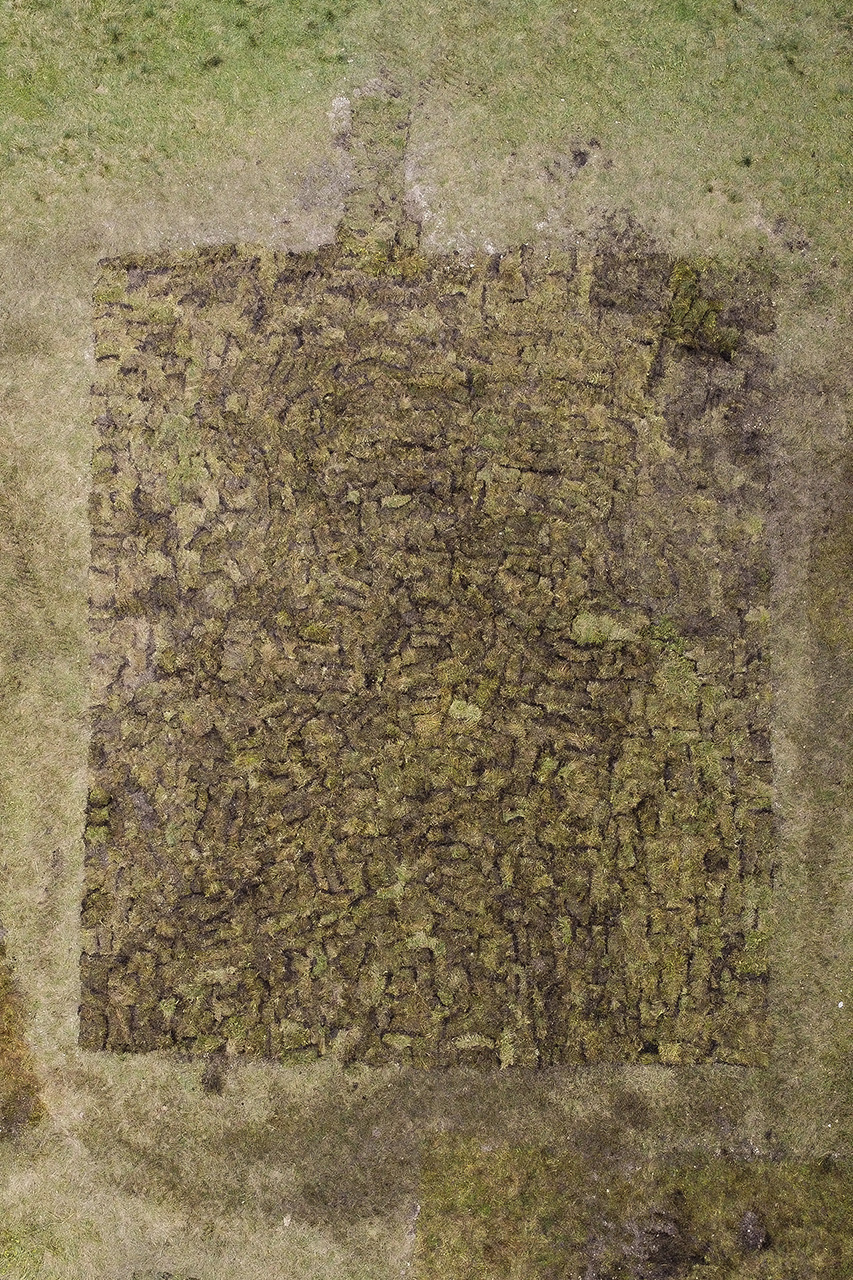
The mosque’s ruins, uncovered by archeological excavations in 2022 and 2024, as commissioned by the Islamic community of Slovenia, have since been covered by grass. Today they remain buried under an idyllic meadow, lingering between their past and future potential forms.
With Soundtrack for an Invisible House, the Nonument Group defines the history of the Log pod Mangartom mosque and its ruins lying beneath the meadow as a nonument:
a hidden, abandoned, erased or forgotten piece of architecture or public space whose meaning has been transformed due to political or societal changes.
A poetic soundtrack hovers over this immersive space in the form of a ruin, in which the mosque’s floorplan is outlined at a scale of 1:2.
The seemingly empty landscape is inhabited and made alive through sounds – murmurs, whispers, fragments of songs, laughter, Alpine shepherds’ calls – and attempts to articulate this place.
Set within the Arsenale’s historic spaces, the project alludes to Venice’s centuries-long tradition of military and naval power at a time when the Western democratic project is being transformed into a ruin, and genocide turned into spectacle.
The field of debris, created out of the material waste of the pavilions from the previous Biennale of Architecture, explores how architecture transitions to ruins due to natural causes or by conscious destruction.
The installation’s multi-vocal and multi-directional story is a metaphor of incessant searching for human dignity in times of civilizational ruin and intensifying wars, at a time when art is more than ever expected to take a position.
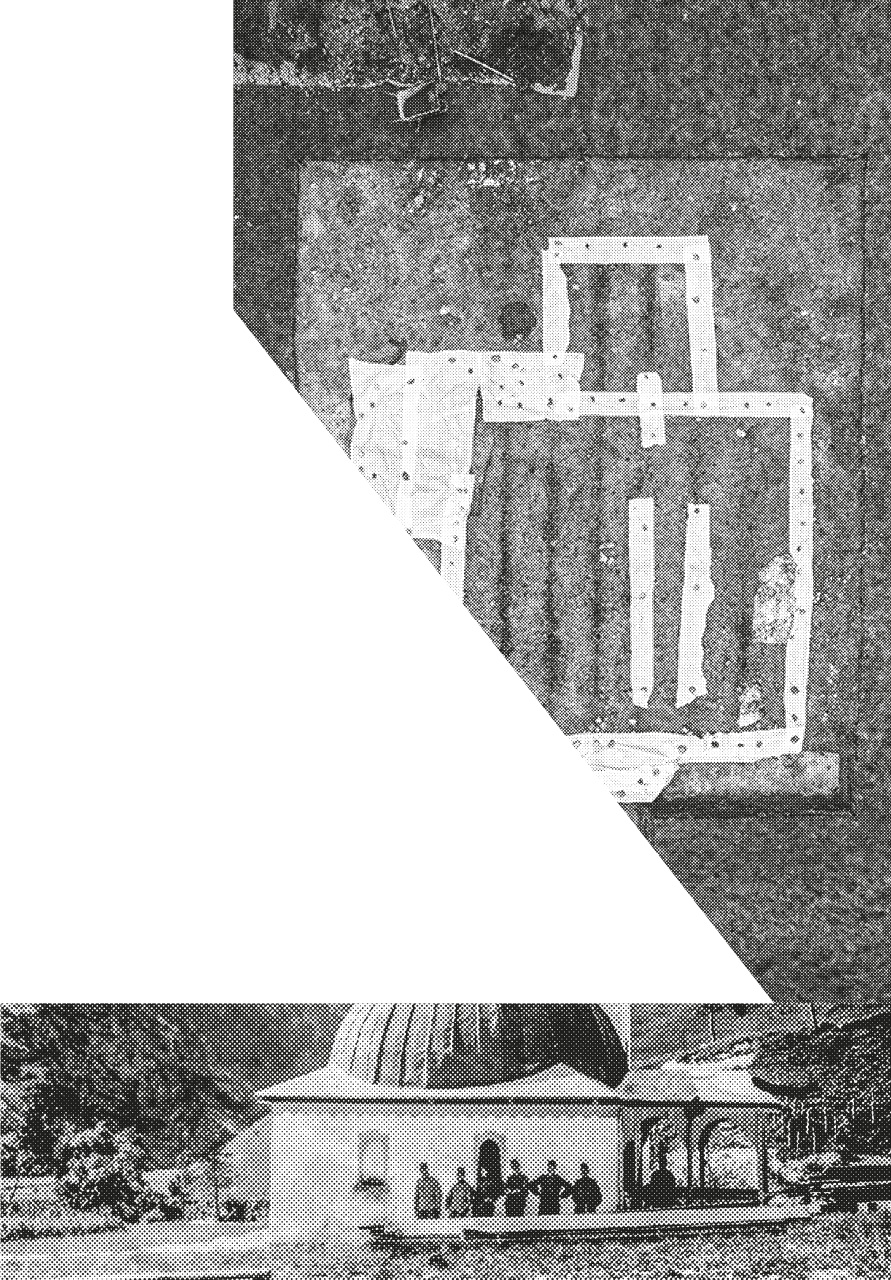
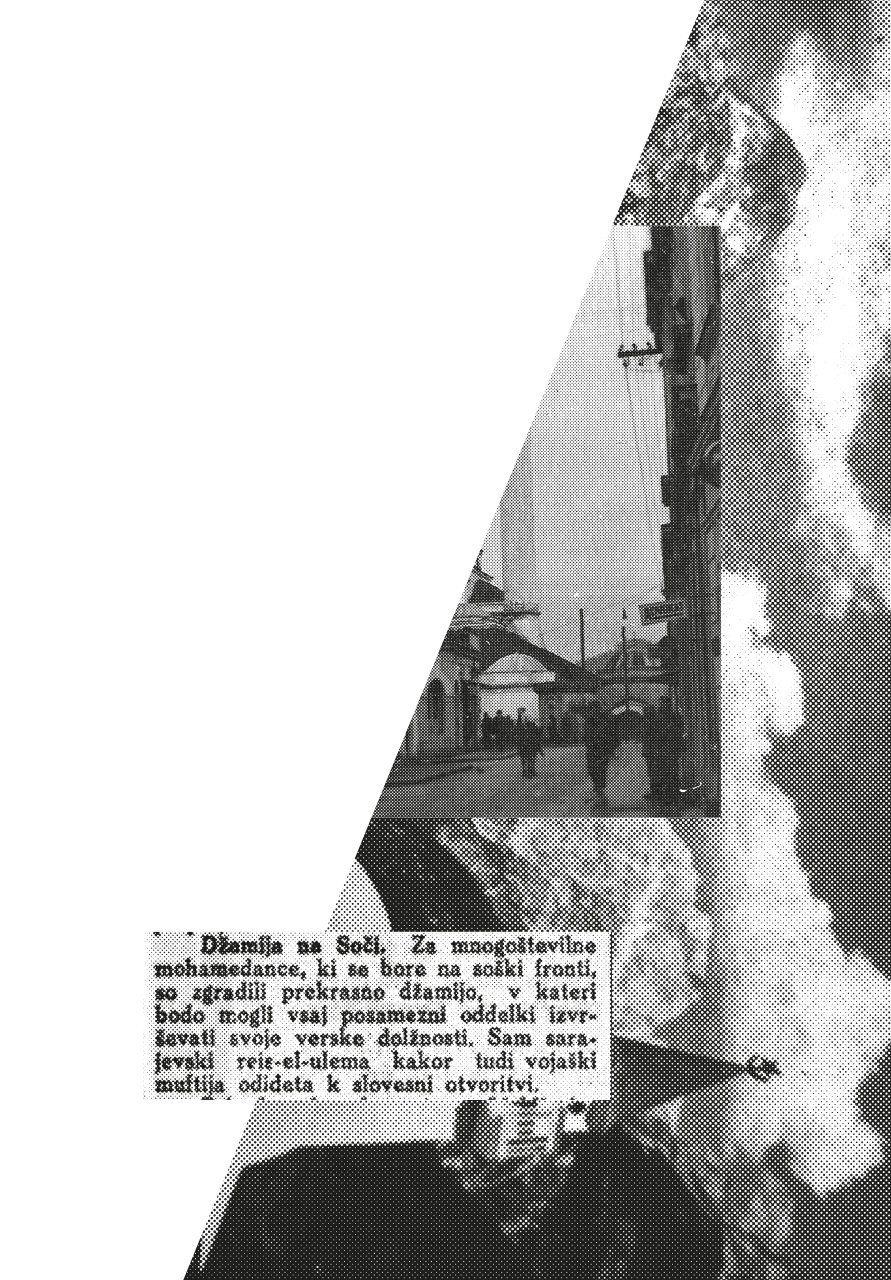
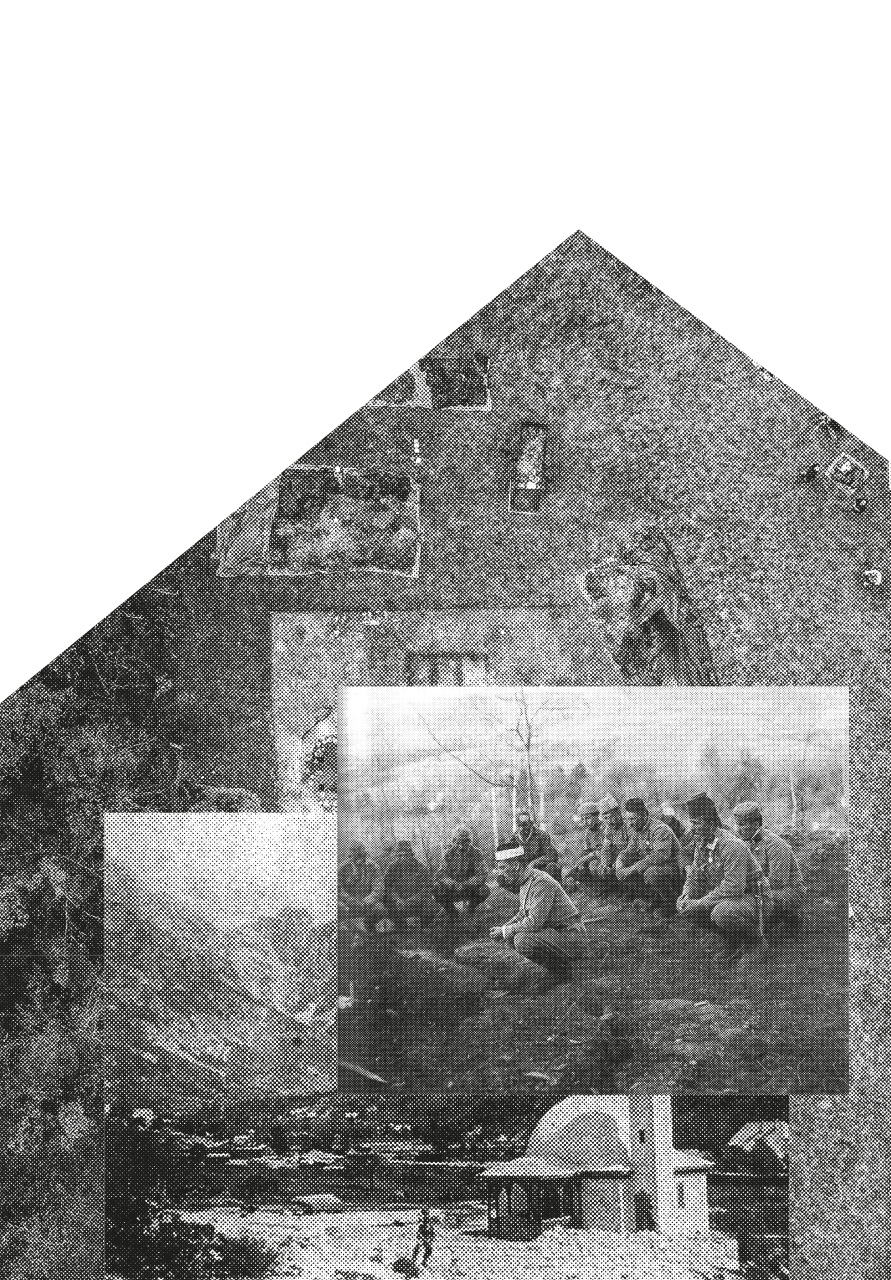
Visual essay by Martin Bricelj Baraga


Pavilion of the Republic of Slovenia
61st International Art Exhibition La Biennale di Venezia
NONUMENT GROUP
(Neja Tomšič, Martin Bricelj Baraga, Nika Grabar, Miloš Kosec)
www.nonument.org
Commissioner: Martina Vovk
Curator: Nataša Petrešin-Bachelez
Scientific advisor: Anja Zalta
Project production: Matjaž Brulc
Conceptual premise: Neja Tomšič, Martin Bricelj Baraga
Composer and sound designer: Gašper Torkar
Libretto: Neja Tomšič
Installation architecture: Nika Grabar
Graphic interventions: Martin Bricelj Baraga, Neja Tomšič
Light design: Theresa Baumgartner
Vocals: Federica Lo Pinto, Jaka Škapin, Maša Simčič, Matej Kastelic, Višnja Fičor (vocal group Vokum), Irena Z. Tomažin
Field recordings: Jernej Babnik Romaniuk, Neja Tomšič
Graphic design: Damjan Ilić — Grupa Ee
Graphic design assistant: Lea Jelenko
Website concept: Nika Grabar
Web development: Bitelier Studio
Visual essay by Martin Bricelj Baraga
Technical collaborators: Sara Bogičevič, Maks Bricelj, Špela Muhič, Igor Vuk, Andrej Črepinšek, Borut Wenzel, Martin Tomažič, Tine Drašak, Manca Vukelić
Technical coordination: Matjaž Brulc, eiletz ortigas | architects
Public relations: Lightbox, Ana Schnabl
Translator to Italian: Martina Gamboz
Producer: Moderna galerija, Ljubljana
Coproducer: MoTA – Museum of Transitory Art
Thanks to: Lotte Arndt, Vinko Avsenak, Miloš Domevšček, Ernesta Drole, Tomo Glažar, Nedžad Grabus, Maša Klavora, Uroš Košir, Zdravko Likar, Martin Mastnak, Ahmed Pašić, Martin Pogačar, Muanis Sinanović, Zilka Spahić Šiljak, Društvo za preučevanje in ohranjanje zapuščine prve svetovne vojne Dreizehn-Dreizehn, Fundacija Pot miru v Posočju, Islamska skupnost v Republiki Sloveniji, Kobariški muzej, ZVKDS – OE Nova Gorica
The project was supported by:








Copyright © 2026 Nonument | Read our privacy and cookie policy | Download the Press Kit